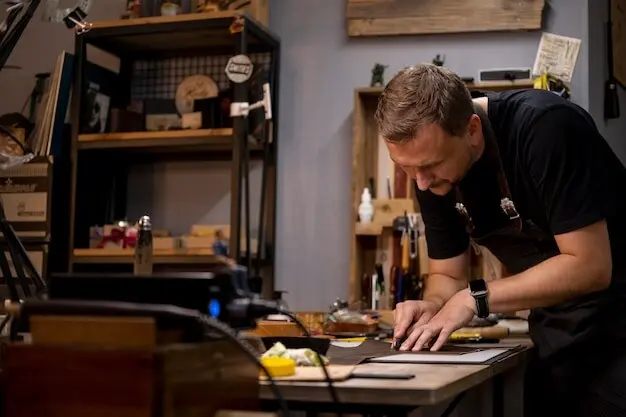
Neighbors Fixing Neighbors: Growing a Skilled Repair Community

Join us as we dive into volunteer recruitment and skill-sharing models for local repair initiatives, turning curiosity into confidence, and spare time into shared capability. Discover practical ways to attract helpers, pass on know‑how, and build a resilient, welcoming workshop culture that keeps tools humming and friendships forming week after week.

Understanding Why People Show Up

Motivation is the spark that lights every bench lamp. By mapping personas—from retired tinkerers and professional technicians to students and neighbors with broken appliances—we tailor invitations that resonate. Learn conversation starters, values-based messaging, and sign-up flows that gently convert interest into lasting participation without pressure or jargon.

From Curiosity to Commitment

First impressions decide whether a passerby becomes a teammate. Welcome walk-ins with a quick tour, clear safety notes, and a simple starter task, like sorting fasteners or diagnosing a lamp. Pair stories with actions so newcomers experience usefulness immediately and leave excited to return with friends.

Lowering the First-Step Barrier

Many potential helpers hesitate because they fear breaking something or looking uninformed. Counter that by advertising no‑blame learning, showing real repair outcomes, and offering shadow roles. A friendly greeter, name tags, and prewritten micro-roles help convert anxiety into contribution before doubt grows heavy.

Finding Helpers Where They Already Gather

Recruitment grows faster when you meet people in trusted spaces. Partner with libraries, tool libraries, schools, makerspaces, neighborhood associations, and tenant unions. Offer hands-on demos, ask for newsletter mentions, and leave clear sign-up cards. Listen for community priorities—safety, savings, pride—and connect repairs to those everyday values, not abstract slogans.

Designing Skill-Sharing That Sticks

Passing knowledge along should feel natural, safe, and fun. Combine structured micro-lessons with casual bench chats, and capture learnings in simple checklists. Use layered roles—greeter, coach, fixer, documenter—to scaffold growth. When knowledge flows in every direction, confidence compounds and more challenging repairs suddenly become reachable together.

Creating a Welcoming, Inclusive Workshop

Retention Through Rhythm and Recognition

Keeping people returning requires predictable cadence and meaningful appreciation. Publish monthly calendars, send friendly reminders, and vary focus—electronics, textiles, bikes—to suit interests. Share progress snapshots, like landfill diversion or household savings. Recognize contributions publicly, invite leadership, and create gentle paths from helper to mentor to organizer over time.

Micro-Volunteering and Flexible Shifts

Not everyone can stay for four hours. Offer sixty-minute slots for intake, inventory, or documentation. Provide take-home micro-tasks, like transcribing repair notes. Clear, time-bounded roles welcome busy parents, shift workers, and students, broadening your circle while still moving difficult repairs forward with steady, reliable momentum.

Recognition That Matters

Applause is great; specificity is better. Highlight concrete moments—patient coaching, creative diagnostics, careful labeling—during closing circles and in newsletters. Share photos with consent. Small thank-you notes, patch stickers, and milestone shout-outs build pride while keeping the spirit humble, practical, and anchored in shared service, not ego.

Measuring Outcomes and Spreading the Word

Data and storytelling attract partners, donors, and future mentors. Count repaired items, volunteer hours, and skill badges earned, but also collect quotes about confidence and connection. Share case studies, publish how‑tos, and invite readers to subscribe or comment with repair challenges your next workshop should tackle together.

Volunteer Metrics That Motivate

Track leading indicators—first-time sign-ups, shadow completions, and return rates—alongside repair outcomes. Visualize progress on a wall chart updated live. Celebrate small upticks quickly so everyone sees their effort mattering. Transparent numbers inspire action, help planning, and keep momentum rolling when projects feel complex or patience runs thin.


Community Repair Outcomes

Beyond item counts, capture what neighbors save, what they learn, and how relationships deepen. Follow up weeks later to see whether repaired tools changed routines. Stories about parents fixing toys or cyclists reviving bikes humanize impact and invite hesitant readers to finally drop by and pitch in.

Kentokavizeradexosavizavo
Privacy Overview

This website uses cookies so that we can provide you with the best user experience possible. Cookie information is stored in your browser and performs functions such as recognising you when you return to our website and helping our team to understand which sections of the website you find most interesting and useful.